
From extended windows to IMAX-first filmmaking, a unified push to restore theatrical urgency
Las Vegas (Nevada), April 16: At CinemaCon 2026, Universal Pictures did something rare for Hollywood lately: it picked a side and made things clear.
Since the pandemic, studios have tried to play both sides. Theaters still mattered, or so they said, but streaming was always lurking in the wings—and, honestly, streaming often got the spotlight. Release windows shrank fast, sometimes to just a couple of weeks. The thinking was obvious enough: less risk, faster profits, and hit people where they already are.
The result? People adjusted. If a movie’s coming home soon anyway, why rush out and see it in theaters? The urgency just isn’t there.
With their CinemaCon presentation, Universal made it clear they’re ready to break from that routine.
Standing Up for Theatrical Windows
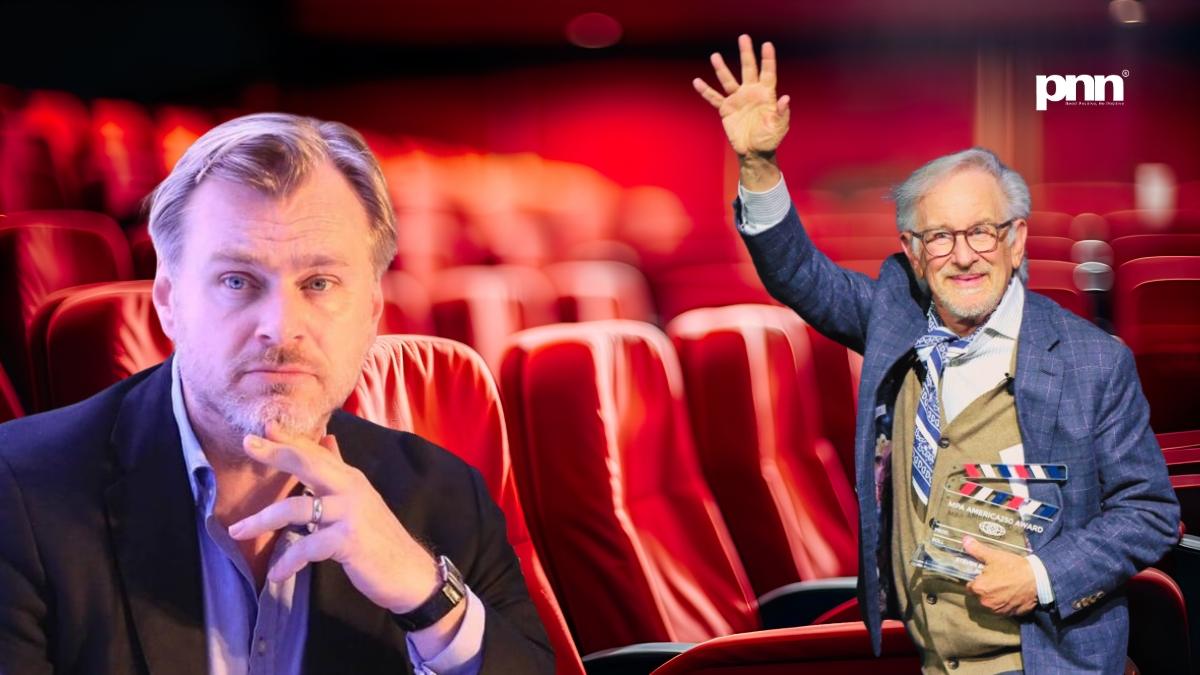
Steven Spielberg didn’t mince words. He said movies just aren’t in theaters long enough to build up steam, in the box office or the culture.
He only mentioned Jaws in passing—the real focus was on specifics. Spielberg threw out numbers—60, 90, even 120 days—for how long movies should play exclusively in theaters. He wasn’t just picking random figures. He was directly challenging the trend of getting films to streaming as fast as possible.
Universal’s already started extending its theatrical runs, setting a minimum of 35 days for 2026 releases, and they’re planning to go further. Spielberg’s stance is even bolder: bring back the era when theaters actually get to hang onto movies, not just squeeze them in before digital takes over.
And this is really about human behavior. If people expect to see new releases at home right away, going to the theater becomes just another option. Stretching out those exclusive runs is about putting the fear of missing out back into the movie business.
A New Kind of Restraint in Marketing
Spielberg’s next movie, Disclosure Day, aims to walk that talk. The film dives into the discovery of non-human civilizations—classic Spielberg territory. The cast is stacked: Emily Blunt, Josh O’Connor, Colman Domingo, Colin Firth, and Eve Hewson.
But here’s the twist: Spielberg confirmed none of the third act would show up in trailers. In an era where ads seem to spoil every big moment, that’s a strategic change.
He’s not just chasing mystery for its own sake. The goal is to give people a reason to show up opening weekend, to see the story unfold without knowing the biggest beats. It’s about recreating a sense of scarcity—this time for information, not just for access.
Nolan’s Case for Spectacle
While Spielberg leans into timing and marketing, Christopher Nolan’s all in on format.
His new movie, The Odyssey, is filmed entirely on IMAX 70mm—the first movie of its size to do it. The shoot went global, the budget topped $250 million, and the cast is stacked: Matt Damon, Anne Hathaway, Tom Holland, Zendaya, Robert Pattinson, Lupita Nyong’o, and Charlize Theron.
Nolan lets the work speak for itself. If you want to experience The Odyssey as intended, you have to see it in all its massive, immersive glory. Streaming later can’t really match that, and honestly, that’s the point.
From a business perspective, this is how you make theaters matter again. When a movie’s main value is size, sound, and full-body immersion, streaming can’t win on convenience alone.
Mixing It Up Across the Board
Donna Langley put it plainly—this isn’t just about tentpole blockbusters.
Universal’s lineup for 2026 is wide-ranging: animation, comedy, horror, prestige. Illumination has Minions & Monsters. Ben Stiller and Robert De Niro team up with Ariana Grande in Focker-In-Law. There’s horror like Other Mommy and Violent Night 2, plus Focus Features is keeping the prestige pipeline full with films like The Uprising with Andrew Garfield.
The goal here is simple: keep people coming to theaters, not just for the big events, but all year long, with something for everyone.
This Is a Signal, Not a Lone Move
Toward the end, Charles Rivkin handed Spielberg the America250 Award for lifetime achievement, and it felt like more than just a pat on the back. Spielberg still drives the conversation in Hollywood.
Really, Universal’s CinemaCon pitch felt less like an outlier, more like a rallying cry.
Longer windows, secretive marketing, and giant-screen spectacles aren’t new. What’s new is pulling them together into one united front—star directors and studio bosses saying, “We’re all in on theaters.”
Hitting Reset
Lately, the industry has obsessed over flexibility and speed. Universal’s saying it’s time to double down on exclusivity and making theaters irreplaceable.
The reasoning is straightforward: if you want theaters to keep making money, you have to give people both time and an experience they can’t get anywhere else.
Will it work? Let’s see. People’s habits have changed, and convenience is tough to beat.
But the alternative—shrinking theaters’ role even more—just means less and less for everybody.
At CinemaCon 2026, Universal didn’t try to please everyone. They picked a direction and stuck to it.
